How to be a responsible steward of Democracy, Human Rights Capitalism and Planet Earth.
HOW TO BE A RESPONSIBLE STEWARD OF PLANET EARTH
Creating a better world for all through social media activism
Sunday, January 24, 2016
Saturday, January 16, 2016
Wildlife under threat

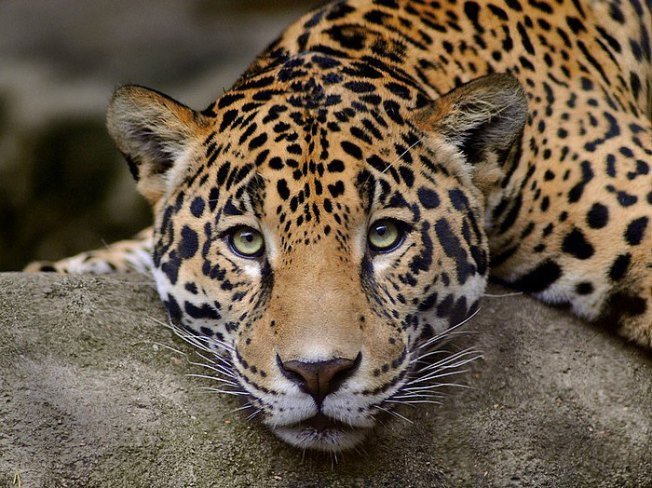
"The leopard is your neighbour and not your adversary" - SGNP a conflict free zone: http://timesofindia.indiatimes.com/city/mumbai/Residents-near-SGNP-leopards-call-a-truce/articleshow/49185545.cms … #India
Learning to Live With Leopards by @RichardConniff http://ngm.nationalgeographic.com/2015/12/leopards-moving-to-cities-text …
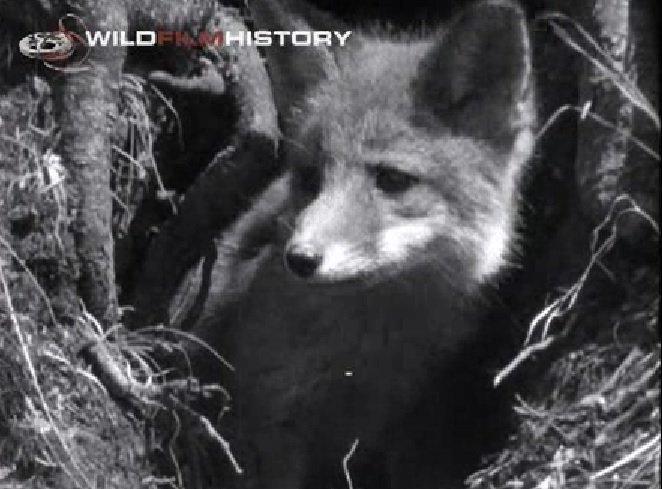
Den Life, magical film clip from Heinz Sielmann's 1955 natural history documentary Foxes: http://www.wildfilmhistory.org/film/79/clip/514/Den+life.html …
Wildlife SOS
"Human compassion and understanding is crucial to saving wild animals and protecting the habitats they need to survive"
Wildlife SOS
@WildlifeSOS
We ended the 400
year old bear dancing practice, rehabilitate elephants, tigers,
leopards, bears & combat poaching in collaboration with indigenous
communities.
INDIA ० USA ० UK
Joined August 2008
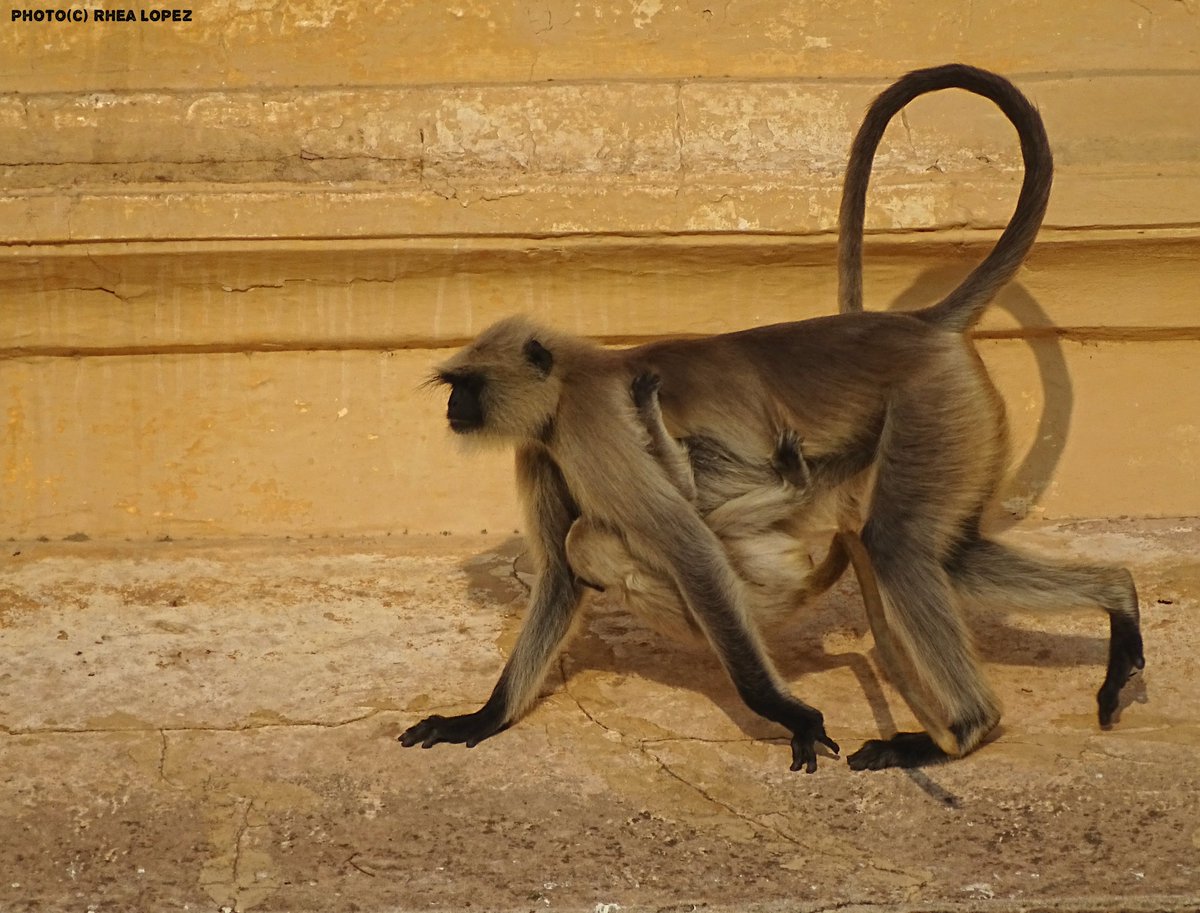
It's time to learn some #FridayFacts about the #GrayLangur here; https://www.facebook.com/wildlifesosindia/photos/a.76535498525.80634.47398783525/10153371341053526/?type=3&theater …
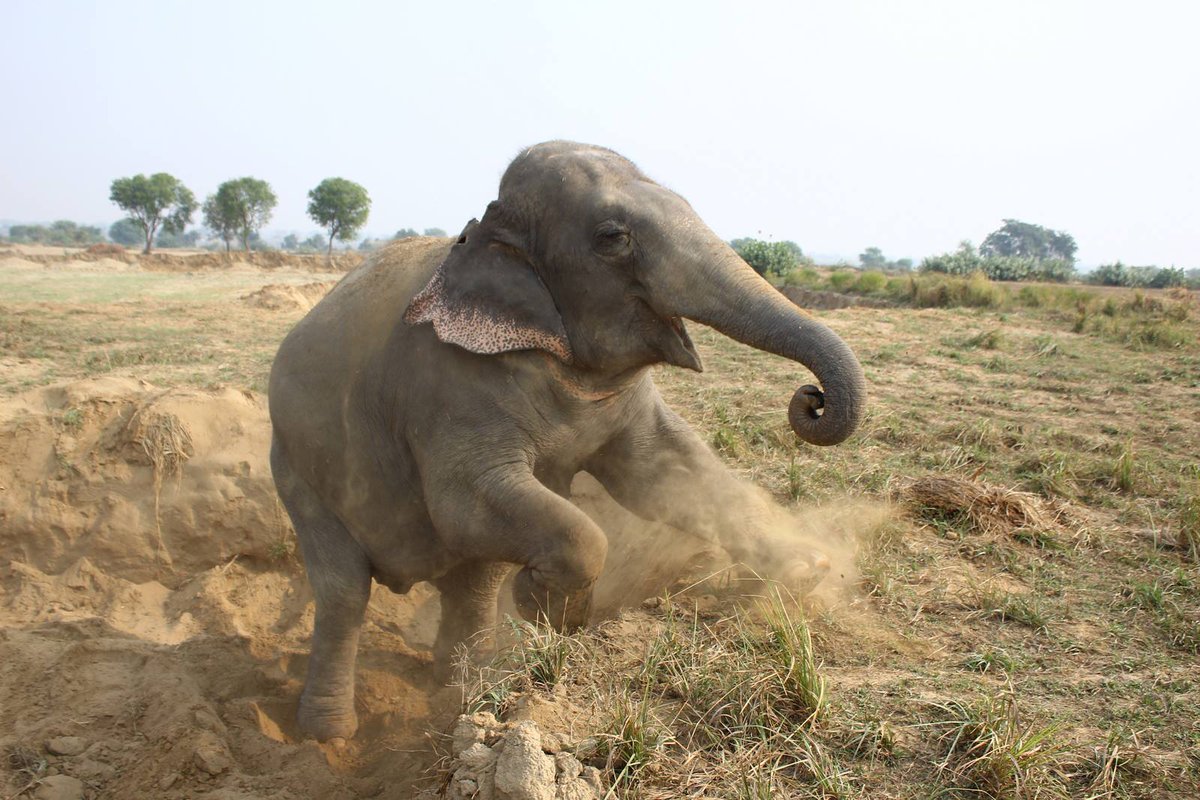
Have you seen a happier #elephant before?
Meet #Chanchal ! Read more about her here; http://bit.ly/1RvTbmJ
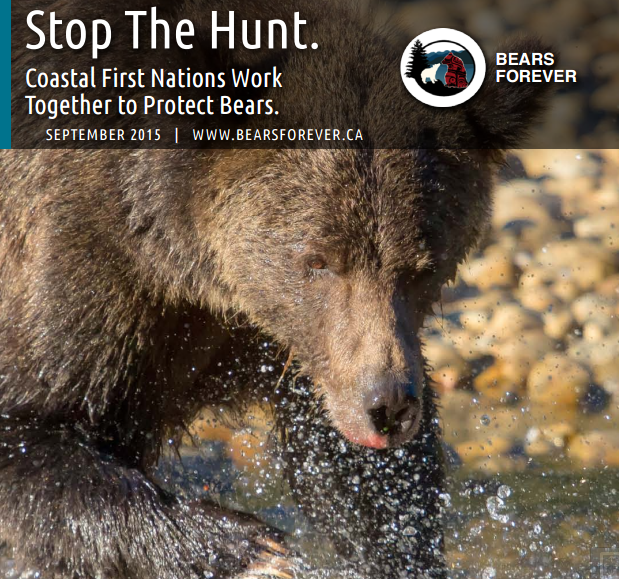
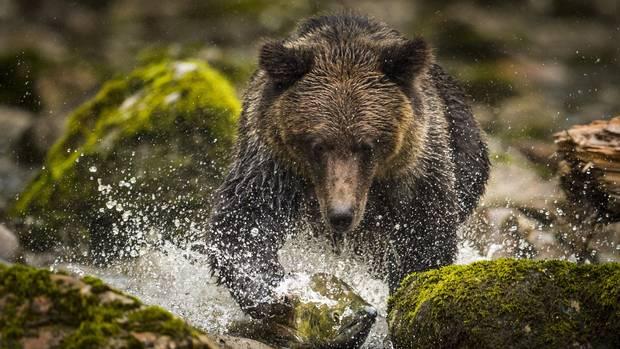
B.C. hunter wants to help save these bears

"I’m ready to start a new chapter + help save these bears" #BC hunter no longer trigger happy http://www.theglobeandmail.com/news/british-columbia/bc-man-persuaded-to-give-up-coveted-licence-to-hunt-grizzly-bears/article26646576/ …
Monday, December 28, 2015
Short-tailed Green Magpie
Magpie with the two chicks in the nest and fledgling
Javan Green Magpie
The new future for breeding The Javan Green Magpie (Cissa thalassina)The Javan Green magpie is a CRITICALLY ENDANGERED bird, endemic to West Java, which is quite unknown. Few are known on its biology as this species is now difficult to find on the wild. This carnivorous and secretive bird is an inhabitant from deep and evergreen forests and it is thought that the species will be extinct in a couple of years, due to intensive trapping. Unfortunately, this species receives no protection measures which increase the risk and the speed of its coming extinction.
Link: http://www.cikanangawildlifecenter.com/?page_id=543
Short-tailed Green Magpie
Cissa thalassina
Cissa thalassina
Passeriforme Order – Corvidae Family
The Short-tailed Green Magpie is endemic to the montane forests of Borneo and Java.
This is a striking bright-coloured magpie.
These pictures show the race Crissa thalassina jefferyi from Borneo.
Both adults are similar.
The adult is light green overall, yellower on the crown and the underparts.
On the upperwing, the primary coverts and the flight feathers are reddish-chestnut. Tertials are pale green with black-edged tips.
The uppertail is bronze-green with light green uppertail-coverts. The tail is graduated and relatively short. The outer tail feathers show whitish tips.
The top of the head is light yellowish-green. We
can see a conspicuous black mask extending from the bill base, across
the eyes and the head sides to the nape. The green feathers of the hind
crown form a short crest above the black band.
The strong bill, legs and feet are bright red. The eyes are dark brown with crimson eye-ring in nominate race.
Wednesday, December 23, 2015
IF by Rudyard Kipling
(‘Brother Square-Toes’—Rewards and Fairies)
If you can keep your head when all about you
Are losing theirs and blaming it on you,
If you can trust yourself when all men doubt you,
But make allowance for their doubting too;
If you can wait and not be tired by waiting,
Or being lied about, don’t deal in lies,
Or being hated, don’t give way to hating,
And yet don’t look too good, nor talk too wise:
If you can dream—and not make dreams your master;
If you can think—and not make thoughts your aim;
If you can meet with Triumph and Disaster
And treat those two impostors just the same;
If you can bear to hear the truth you’ve spoken
Twisted by knaves to make a trap for fools,
Or watch the things you gave your life to, broken,
And stoop and build ’em up with worn-out tools:
If you can make one heap of all your winnings
And risk it on one turn of pitch-and-toss,
And lose, and start again at your beginnings
And never breathe a word about your loss;
If you can force your heart and nerve and sinew
To serve your turn long after they are gone,
And so hold on when there is nothing in you
Except the Will which says to them: ‘Hold on!’
If you can talk with crowds and keep your virtue,
Or walk with Kings—nor lose the common touch,
If neither foes nor loving friends can hurt you,
If all men count with you, but none too much;
If you can fill the unforgiving minute
With sixty seconds’ worth of distance run,
Yours is the Earth and everything that’s in it,
And—which is more—you’ll be a Man, my son!
Four-legged refugees now prowl cities. Can we adapt?
The Province of B.C., Canada has a Cheetah on the loose...
Search suspended for cheetah spotted along highway in Kootenay area of B.C.
CBC.ca - Joe Caravetta, a B.C. Conservation Officer Service inspector, told the CBC he is certain the public is no longer in danger, but the service still wants to hear from the public if the animal is spotted.
Bright Lights, Big Predators
Richard Conniff
DEC. 19, 2015

IT
was tea break one afternoon this past May, in a business park in
Mumbai, one of the world’s most crowded cities. The neighborhood was
chockablock with new 35-story skyscrapers adorned with Greek temples on
top. On the seventh-floor deck of one building, 20-something techies
took turns playing foosball and studying the wooded hillside in back
through a brass ship captain’s spyglass.
They
were looking at a leopard, also on tea break, up a favorite tree where
it goes to loaf many afternoons around 4:30. That is, it was a wild
leopard living unfenced and apparently well fed in the middle of the
city, on a dwindling forest patch roughly the size of Central Park
between 59th and 71st Streets. When I hiked the hillside the next day, I
found a massive slum just on the other side, heavy construction
equipment nibbling at the far end, and a developer’s private helipad up
top. And yet the leopard seemed to have mastered the art of avoiding
people, going out by night to pick off dogs, cats, chickens, pigs, rats
and other camp followers of human civilization.
Welcome
to the future of urban living. Predators are turning up in cities
everywhere, and living among us mostly without incident. Big, scary
predators, at that.
Wolves now live next door to Rome’s main airport,
and around Hadrian’s Villa, just outside the city.
A mountain lion roams the Hollywood Hills and has his own Facebook page.
Coyotes have turned all of Chicago into their territory.
Great white sharks, attracted by booming seal populations, cruise Cape Cod beaches with renewed frequency.
And in a kind of urban predator twofer, a photographer in Vero Beach, Fla., recently snapped a bobcat grabbing a shark out of the surf.
Predators
are living among people partly because they have fewer alternatives.
The land area consumed by cities and suburbs has increased substantially
over the past century and the rate of expansion is accelerating.
Worldwide, urban acreage will triple in the first three decades of this
century, consuming an additional 500,000 or so square miles of land,
much of it in areas that are now critical wildlife habitat in Africa,
China and India. That leopard on a hilltop in Mumbai didn’t move into
the city. The city rose up and engulfed its world.
Many
species are also getting used to the idea that humans do not
necessarily pose a threat. It helps that we no longer automatically
shoot predators on sight, or put a bounty on their heads. Prey species
like elk and deer have in many cases also learned to prefer cities and
suburbs because the relatively open habitat provides a margin of safety
from predators. Predators naturally follow. During moose calving season,
for instance, grizzly bears frequent the backyards of Anchorage.
Are
humans equally capable of adapting? Stan Gehrt, an Ohio State
University biologist who studies Chicago’s population of about 4,000
coyotes, says complaints have tapered off as city residents have become
accustomed to their new neighbors. The coyotes don’t bite or threaten
people, though they can be aggressive toward dogs. (When there is a
human on the other end of the leash, this can be alarming, he
acknowledged. But dogs in Cook County, which includes Chicago, bite
about 3,000 people every year.)
The
situation in Mumbai is more complicated. The city’s 21 million people
have encircled and encroached on a national park, where about 35
free-roaming leopards live. Mumbai’s leopards can of course kill people
and have done so a half-dozen times since 2011. But one man who survived
an attack at a village inside the park said his family had no plans to
move out to the grim little high-rise flats the city offers as an
alternative. It would mean too many bills and too little space: “Where
will the chickens go?” Instead, people adapt, he said. “In the night the
leopard is the king. He can go anywhere.”
The
city at large has so far also held to the belief that the leopards
should continue living where they always have. In the past when people
spotted a leopard in the neighborhood, a wildlife biologist told me,
they called park officials demanding its removal. But researchers there
have demonstrated that removing and relocating leopards simply leads to
more attacks, as the confused animals try to find their way in new
territory, and as other leopards with less experience at negotiating
human-dominated habitat take over their old territory. Now people phone
demanding a workshop on how to coexist safely with leopards. Last month,
the park issued a pamphlet of camera trap photos and names for all 35
leopards. (Your new neighbor is named “Mastikhor.” It means
“mischievous.”)
If
you are thinking, “Wait, that’s just nuts,” think again about the
nature of risk. We have learned to protect and restore rivers in our
cities, says Adrian Treves at the University of Wisconsin, even though
floods sometimes destroy homes and drown people. We cherish trees on
urban streets and in parks even though branches sometimes fall on our
heads. For that matter, we let cars dominate city streets, though they
kill more than 4,700 pedestrians in the United States every year (and
many times more in India).
Rivers,
forests and cars all justify themselves by being useful one way or
another to humanity. What good are predators? Clearly, a lot of people
struggle with this question, particularly certain philosophical sorts
who preach the genuinely nutty idea that we should eradicate predators
because they are cruel. But scientific research has repeatedly
demonstrated that losing predators leads to a cascade of unintended (and
often cruel) effects. Unchecked by predation, herbivores graze the
habitat to bare dirt. The water table drops. Species vanish. Ecosystems
collapse. Entirely apart from their ecological usefulness, we should
value predators for their stealth, their skill, their speed. A world of
sheep might sound like someone’s idea of heaven. But it would be a
deadly dull place to live.
Couldn’t
we at least keep the excitement out of our cities? That would require
preserving large areas of habitat, and habitat corridors, in the
countryside, and nobody appears to be willing to pick up that tab.
The
Land and Water Conservation Fund, paid for from oil industry royalties,
has served for 50 years as the nation’s single most effective tool for
habitat protection. But Congress allowed it to expire for the past two
months, then patted itself on the back for reauthorizing the fund on
Friday — at half the budget Congress allowed in 1965. Make that seven
percent of the original budget, adjusting for inflation. We seem to be
incapable of leaving existing protected areas intact, especially as the
human population quadruples from 2.5 billion in 1950 to 11 billion by
the end of this century. Instead of celebrating the protected areas
where the world’s last major tiger populations survive, for instance,
India (population 1.2 billion) now seems intent on running highways
through them.
So
we should hardly be surprised that predators and people wind up living
side by side in cities. Cities have always been the salvation of the
homeless, the unwanted, the wretched and the despised. The difference
now is that these refugees come to us not just on two legs, but on four.
Red-winged Blackbird
he Music of Nature proudly presents "Red-winged Blackbird," a delicious
video portrait of a male in full song. The Red-winged Blackbird is
common across North America, breeding in marshes and meadows. Excited
males puff out their red epaulets (shoulder pads) as they sing.
© 2010 Lang Elliott
video portrait of a male in full song. The Red-winged Blackbird is
common across North America, breeding in marshes and meadows. Excited
males puff out their red epaulets (shoulder pads) as they sing.
© 2010 Lang Elliott
Thursday, December 17, 2015
American Bison

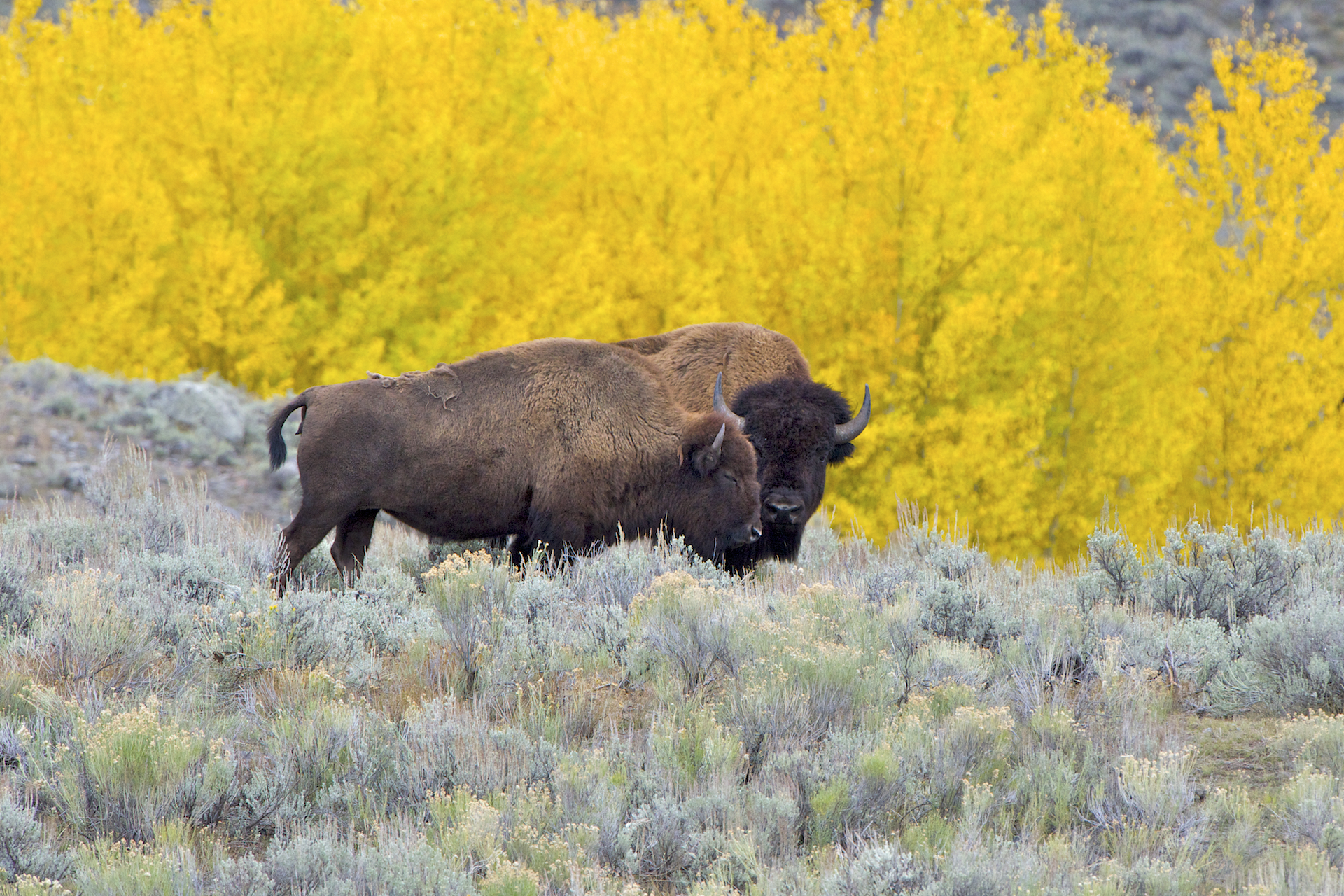
Bison herd grazing at the National Bison Range in Montana
PD-USGov-Interior-FWS - http://www.fws.gov/digitalmedia/FullRes/natdiglib/34A47D47-AD13-4C14-B3AE89E9E9D181DD.jpg
Common Name: Bison
Also referred to as: Buffalo, as well as American Bison, Plains Bison, Prairie Bison, Wood Bison and Woodland Bison
Genus species: Bison bison
Recognized subspecies: Plains Bison, B. b. bison; and Wood Bison B. b. athabascae

Arturo de Frias Marques - Own work

Herd of Bison in Yellowstone National Park
Debeo Morium - Own work
One of the buffalo bulls looking back at me shortly after the stampede had passed me by in Yellowstone.
Bison fighting in Grand Teton National Park in Moose, Wyoming

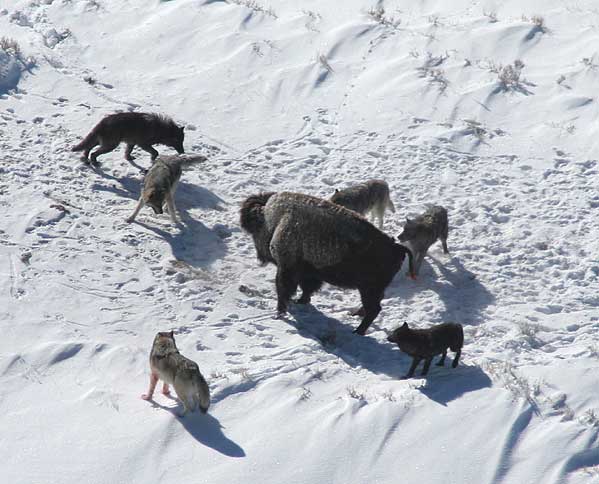
American bison standing its ground against a wolf pack
Doug Smith - National Park Service [dead link]; available on the Wayback Machine.
Used in Muro et al, 2011 -- this image is figure 1(d). The citation there suggests that it was not taken by the authors.
Mollies Pack Wolves Baiting a Bison.

Buffalo Hunt under the Wolf-skin Mask, 1832–33 oil 24 x 29 in. Smithsonian American Art Museum, Gift of Mrs. Joseph Harrison, Jr. Before they acquired horses in the eighteenth century, Indians developed ingenious methods to hunt buffalo on foot. One method was the stealthy approach in disguise. Since more than half the calves born each year died, bison tolerated the packs of wolves that took care of the carcasses. Buffalo were unprepared, however, for Indians in wolves' clothing, who approached "within a few rods of the unsuspecting group, and easily [shot] down the fattest of the throng."
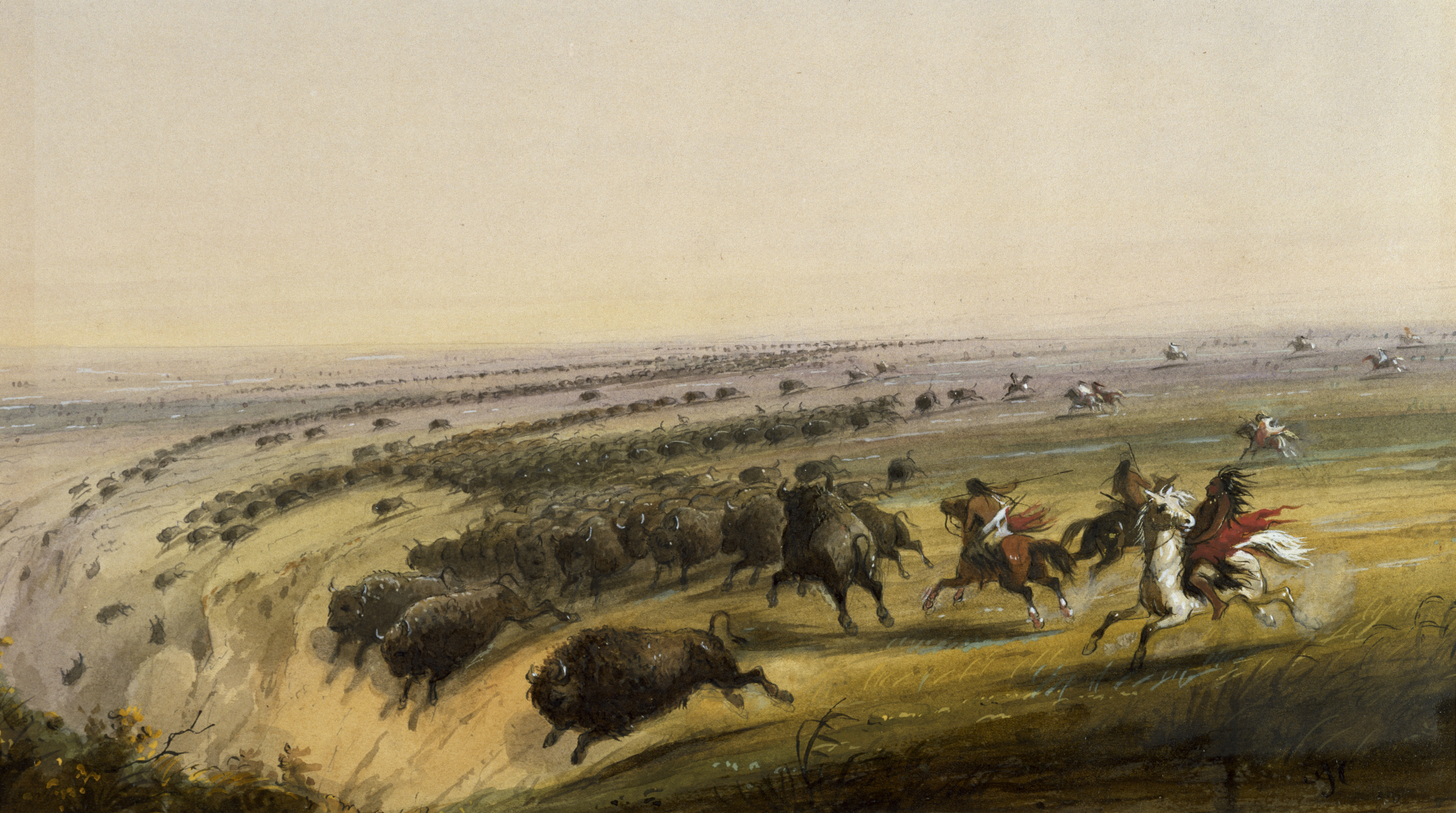
Bison being chased off a cliff as seen and painted by Alfred Jacob Miller.
It
is true that various Plains Indians would occasionally chase buffalo
over a small cliff, but Miller probably never saw this scene and
therefore exaggerated it a bit. The Indians, when they found a suitable
bluff, would conceal themselves behind the rocks with hides. When the
herd would start to move towards the bluff, the Indians would jump up
from behind their rocks, shouting and waving the hides, keeping the
buffalo moving toward the cliff. In later versions of this picture,
Miller exaggerated the cliff even more. Had the Indians driven buffalo
over such precipices, the meat would have been too badly smashed to eat
and the bones would have been broken.

A wood bison around Coal River in Canada
Alan & Elaine Wilson; original uploader was Outriggr at en.wikipedia - http://www.naturespicsonline.com/; transferred from en.wikipedia; transfer was stated to be made by User:Serimayk.

The 1935 Buffalo nickel—this style of coin featuring an American bison was produced from 1913 to 1938.
The original uploader was Bobby131313 at English Wikipedia - Transferred from en.wikipedia to Commons.
1935 Buffalo Nickel, photo taken by user
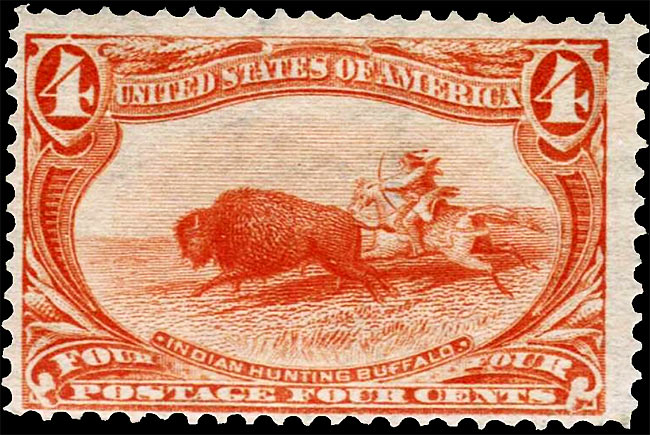
First postage stamp with image of bison was issued US in 1898—4¢ "Indian Hunting Buffalo". Part of the Trans-Mississippi Exposition commemorative series.
US postage stamp, 1898. Designer: Seth Eastman - http://bison-stamps.narod.ru/info/usa1898.html
4-cent 1898 commemorative The American bison (Bison bison), also commonly known as the American buffalo, is a North American species of bison that once roamed the grasslands of North America in massive herds.
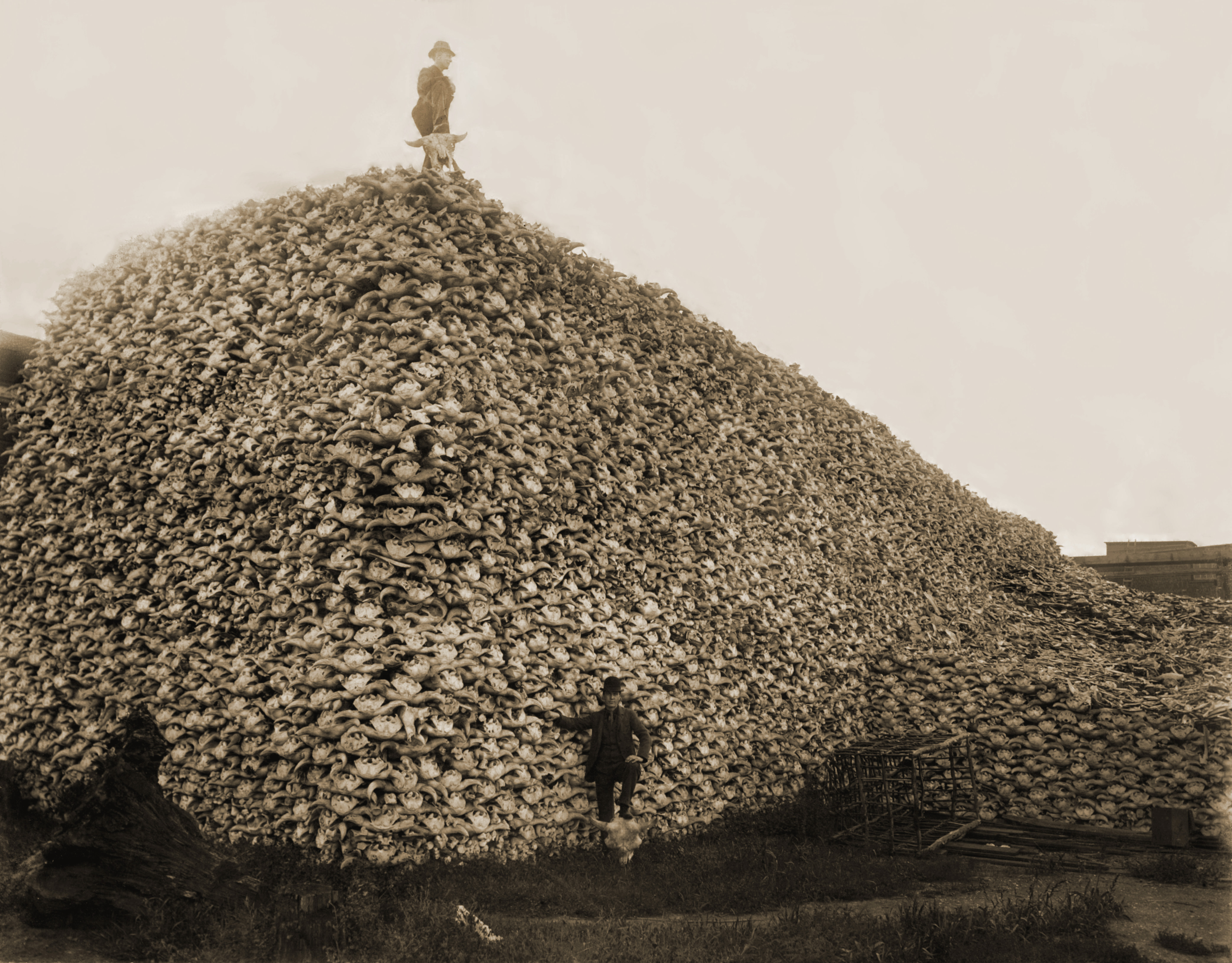
They became nearly extinct by a combination of commercial hunting and slaughter in the 19th century and introduction of bovine diseases from domestic cattle, and have made a recent resurgence largely restricted to a few national parks and reserves.
Their historical range roughly comprised a triangle between the Great Bear Lake in Canada's far northwest, south to the Mexican states of Durango and Nuevo León, and east to the Atlantic Seaboard of the United States (nearly to the Atlantic tidewater in some areas) from New York to Georgia and per some sources down to Florida. Bison were seen in North Carolina near Buffalo Ford on the Catawba River as late as 1750.
Two subspecies or ecotypes have been described: the plains bison (Bison bison bison), smaller in size and with a more rounded hump, and the wood bison (Bison bison athabascae)—the larger of the two and having a taller, square hump
Furthermore, it has been suggested that the plains bison consists of a northern (Bison bison montanae) and a southern subspecies, bringing the total to three.
However, this is generally not supported. The wood bison is one of the largest wild species of bovid in the world, surpassed by only the Asian gaur and wild water buffalo. It is the largest extant land animal in the Americas.


Source: https://en.wikipedia.org/wiki/American_bison
Sunday, December 6, 2015
the relationship between humans and animals.

The New York Times @nytimes
A photographer explores the relationship between humans and animals. It's complicated. http://nyti.ms/1IwABHz pic.twitter.com/Fpmwswnq3s
China: 150,000 #wildlife products seized last year
P.R.I.D.E. – Personal Responsibility In Delivering Excellence


CITES @CITES China: 150,000 #wildlife products seized last year in Guangxi Province bordering Viet Nam
Subscribe to:
Comments (Atom)
AWF